
Rapid prototyping: transform your ideas into testable experiences in a single day
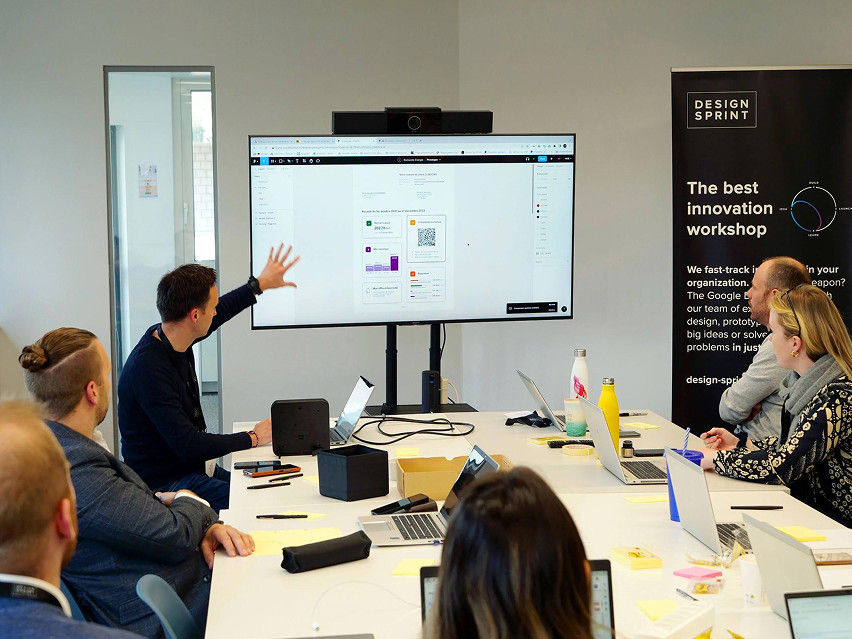
On day 4 of the Design Sprint, we create a high-fidelity prototype in 8 hours, ready to be tested the next day with real users. The idea is simple: test, learn and validate before investing in development.






































What is rapid prototyping?
Innovation means testing quickly to avoid wasting time and money. During a design sprint, a team moves from idea to learning in 48 hours, without coding or waiting, which allows them to:
- validate (or invalidate) key hypotheses
- testing business ideas before developing them
- get concrete feedback from real users
- drastically reduce risks
- save time, budget and human resources
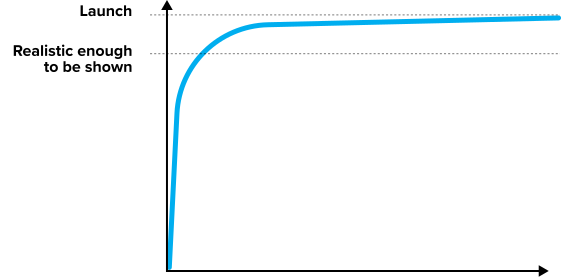
Create a façade
Just one day to prototype
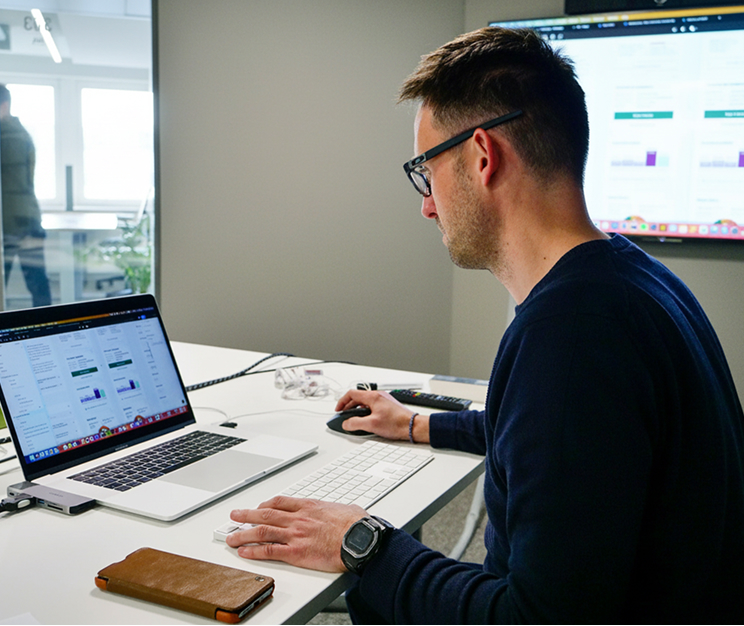
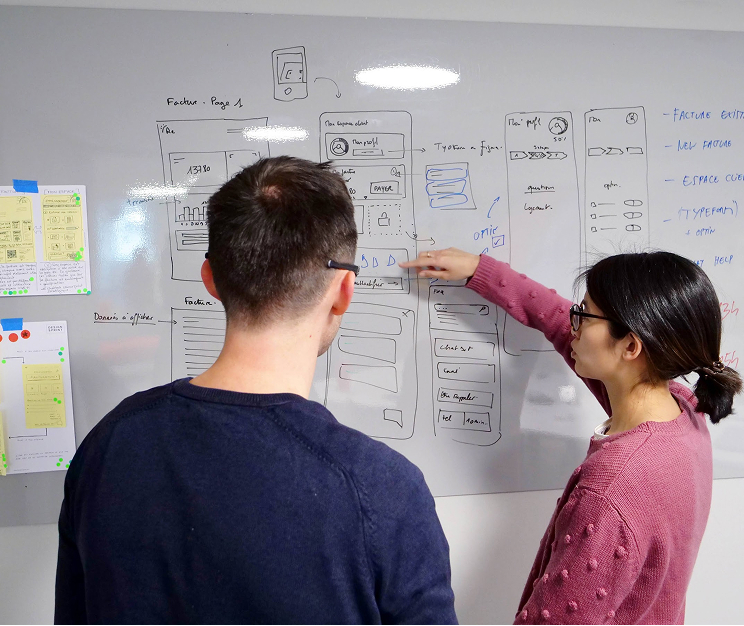
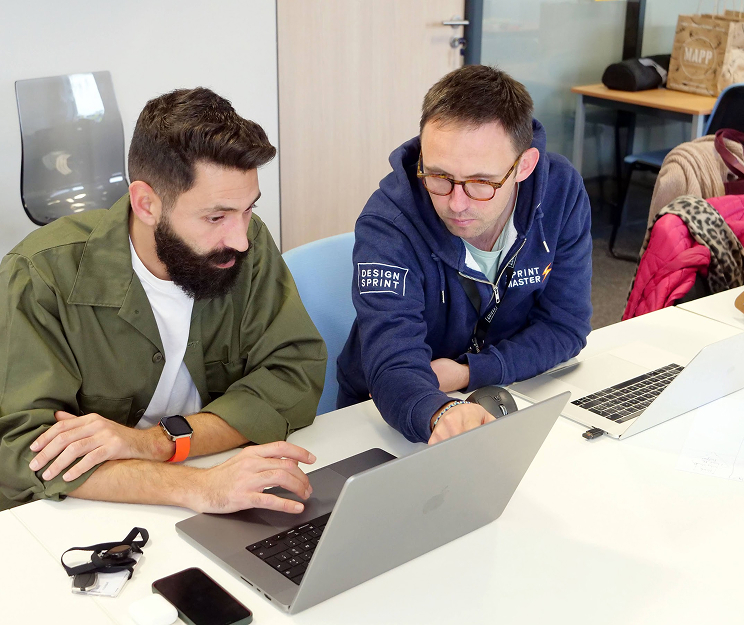
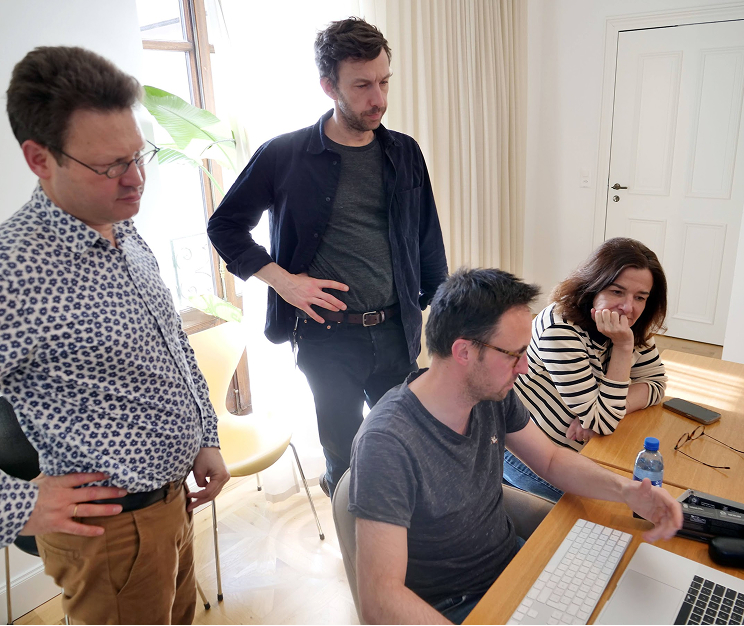
In a Design Sprint, Day 4 is devoted to prototyping. That’s where we come in: Stéphane Cruchon and Julien Suard. With over 20 years of experience each and more than 150 prototypes created, we transform the team’s ideas into a realistic prototype.
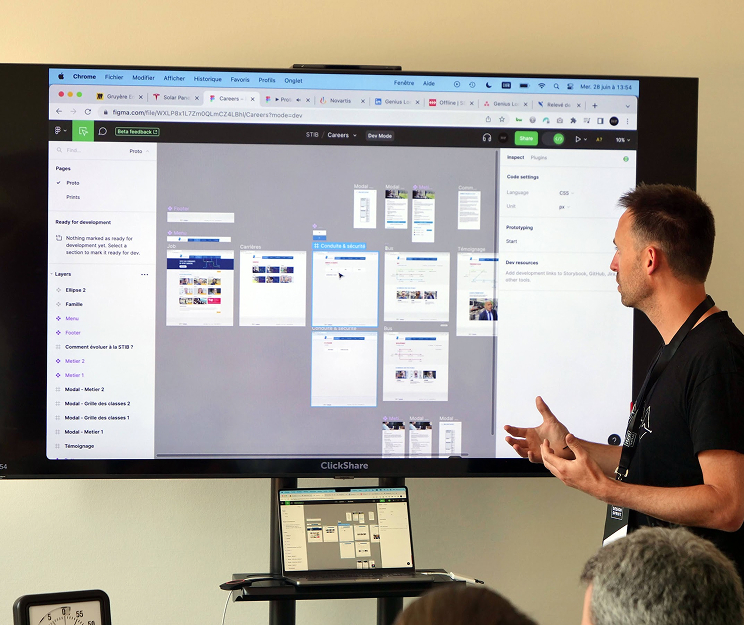
We ask one or two key members to be available to quickly validate progress, while the rest of the team can also contribute (writing texts, finding visuals, etc.). We work easily remotely, via Slack, Zoom, Meet or Teams. The prototype is usually created on Figma, where the team can comment and adjust in real time. During the afternoon, the facilitator and decision-maker prepare for the next day’s user testing: scenario and finalisation of recruitment.
Why one day?
Because emotionally, it takes the pressure off:
- If the concept does not work, it does not matter.
- We built it fast → we can iterate fast
- The goal is not to produce a final product.
- The aim is to learn as quickly as possible.

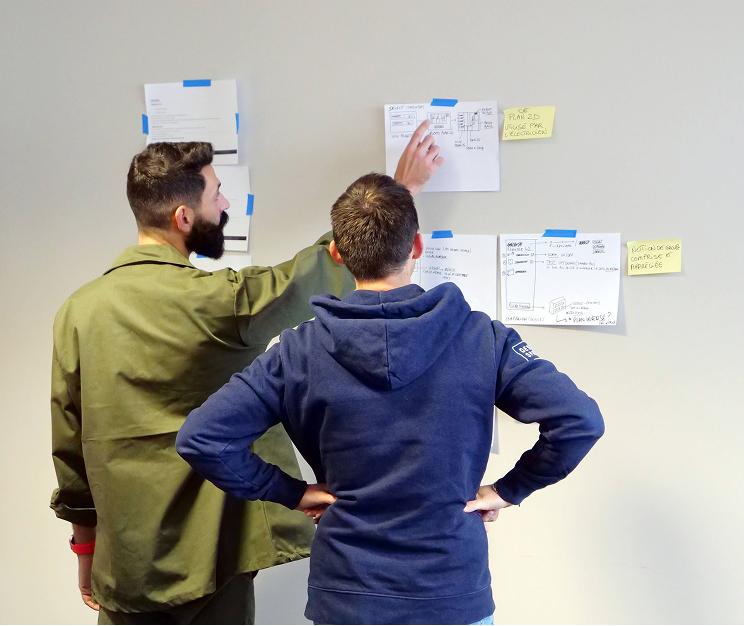
Everything can be prototyped in 8 hours, absolutely everything.
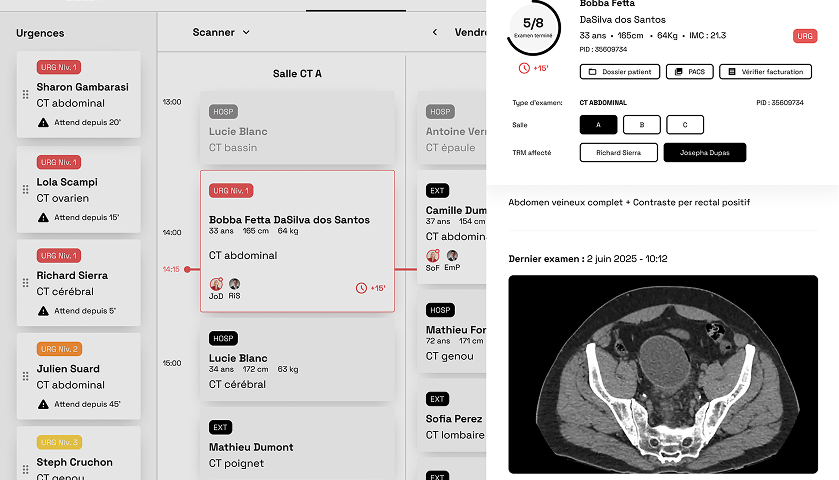
Digital interfaces
Digital interfaces: dashboards, applications, platforms, internal software, etc.
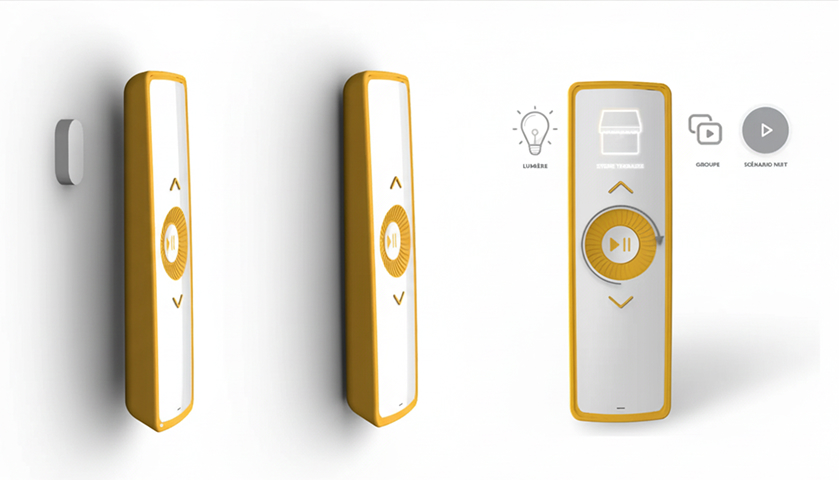
Product concepts
Physical objects that do not yet exist, simulated or visualised digitally.
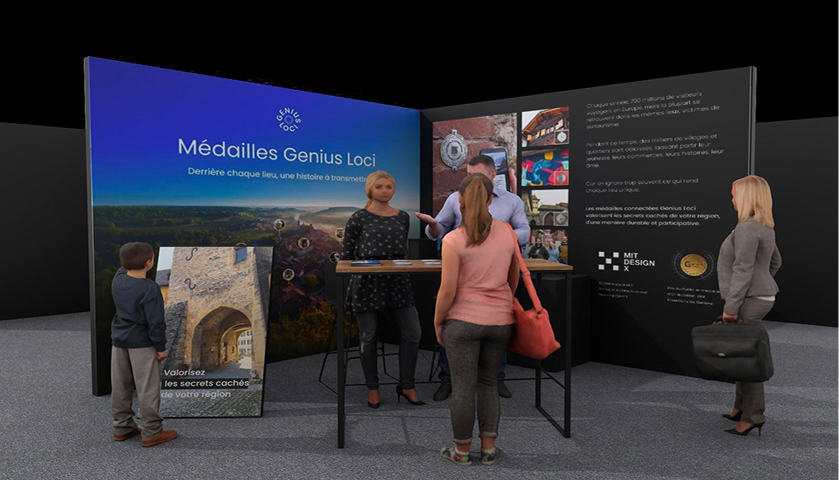
Staging & interactions
Simulation of spaces, shops, terminals, real or scripted interactions.
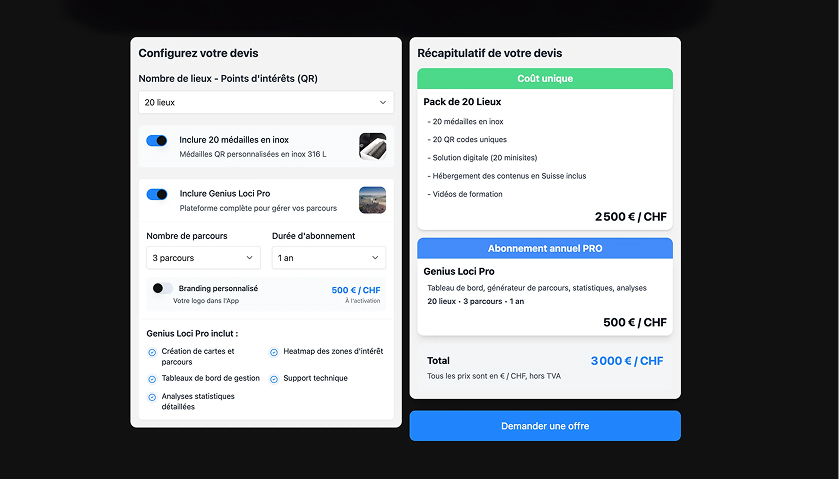
User journey
Onboarding, account creation, service simulation, assistant or chatbot, validation and navigation.
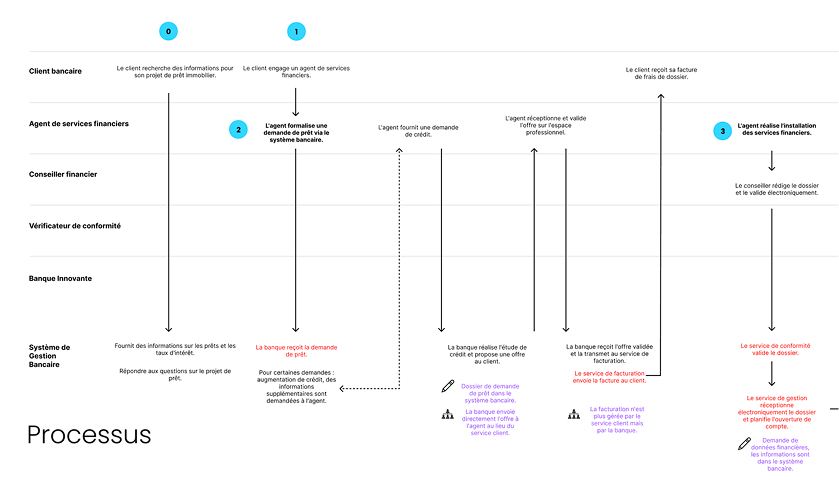
Services & Business
Expériences client, nouvelles offres, process internes ou parcours de décision.
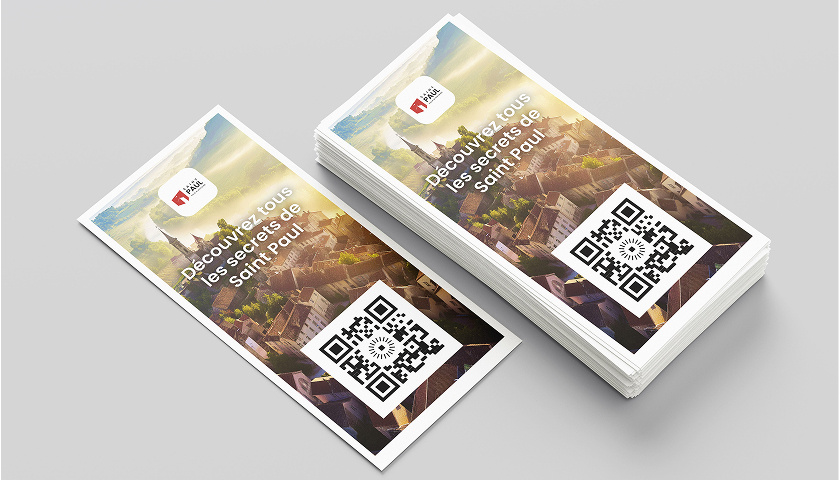
Print & documentation
Brochures, administrative documents, invoices, paper trails or physical media.
Our approach:realism, high fidelity, efficiency ⚡️
The question is not “Is it pixel-perfect?” The question is: Can the user empathise and react sincerely?
- realistic
- immersive
- credible
- testable
- ready in 8 hours.
Why we use AI in prototyping
In a Design Sprint, everything happens very quickly. In just one day, you have to flesh out an idea and build a credible prototype that is ready to be tested. AI has become a real creative and technical accelerator for us. Here's how the tools work and how we use them in our sprints:

Chat GPT

Figma Make

Midjourney

Krea.ai

Photoshop AI

Lovable

Cursor

Veo

Nano Banana

Flora AI

Claude

Miro
1. Speed up the long process...
AI eliminates all the complicated or time-consuming parts of prototyping:
- generating credible text (messages, titles, CTAs, etc.)
- creating visual variants
- structuring content
- intelligently duplicating screens or flows
2. Generate and manipulate ultra-credible visuals
3. Create functional prototypes... faster than before
It's a huge game changer. We can now prototype concepts in a single day that would have taken several days (or even weeks) before.
- Generate functional mini-applications
- Create clickable interfaces with logic
- Manage simulated or real data
- Prototype dashboards, diagrams, chatbots, videos, forms, and more
4. Explore more ideas
AI helps us to visually project ideas that participants are not always able to express.
- Use cases that are difficult to imagine
- Design variations in seconds
- Alternative versions
5. Opening the door to more ambitious prototypes
Previously, certain concepts were too:
- cumbersome
- technical
- data-driven
- dependent on development
Today, everything can be prototyped, even complex ideas, business tools, rich interfaces, hybrid digital/field services, etc.
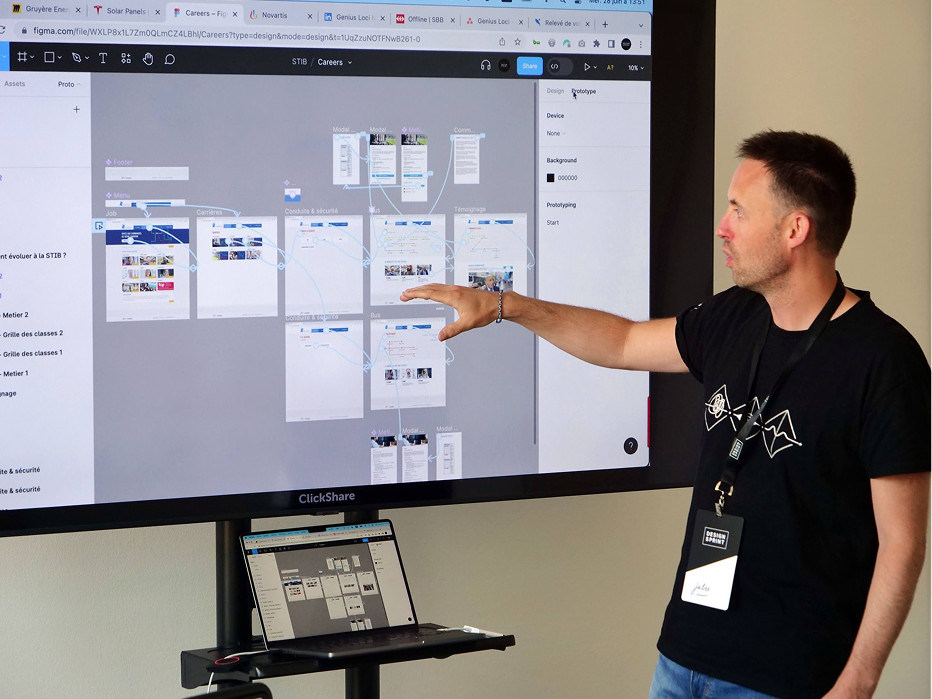
Over 20 years of experience and more than 150 prototypes created using Design Sprint.
- 20 years of product design, UX/UI, innovation
- 150+ Design Sprints conducted across all sectors
- Prototypes tested by hundreds of real users
- Dozens of products launched on the market after a Sprint
- Teams returning because the ROI is spectacular
- Companies are often amazed: in five days, they make more progress than in six months of meetings.
Why do companies love this approach?
Because it offers an immediate return on investment by transforming an idea into a concrete prototype that is tested and validated within a few days.
All companies say it:
“We have never moved this fast before.“
- Colossal time savings
- Decisions made within 5 days
- Total team alignment
- Clear and shared vision
- Testable, concrete and realistic prototype
- Avoiding wrong directions
- Validating risky ideas
Ready to prototype your next idea?
Let’s discuss your design needs together. Contact a designer at contact@design-sprint.com or schedule a video call directly.